

By Pablo Bello, official mountain tourism guide at Andean Raju Expeditions · Updated October 2026
Most packing lists for the Huayhuash are written by backpackers carrying everything on their own shoulders. This one is different. It’s the list our guides check with clients the evening before every departure from Huaraz, written for a supported trek where donkeys carry the heavy bags and you walk with a day pack.
In short: pack for four seasons in one day. Nights at camp drop to between –5 and –10 °C (23 to 14 °F), afternoons on the passes can bring wind, hail or snow, and midday sun at 4,500 m burns in minutes. You need a sleeping bag rated to around –10 °C, a warm down jacket, a waterproof shell, broken-in boots and a 35–40 L day pack. Everything else fits in a duffel of up to 10 kg (22 lb), and anything you’re missing can be rented in Huaraz.
In this guide:
- How Packing Works on a Supported Huayhuash Trek
- What You’re Packing For
- The Layering System: How to Stay Warm Without Overpacking
- The Complete Huayhuash Packing List
- Duffel or Day Pack? Where Each Item Goes
- Your Sleeping Bag: The One Item Not to Get Wrong
- Bring or Rent in Huaraz?
- What Not to Bring
- Packing Mistakes We See Every Season
- Packing for Women
- Huayhuash Packing List FAQ
How Packing Works on a Supported Huayhuash Trek
On a guided trek you pack two bags:
- A duffel bag (up to 10 kg / 22 lb). It travels on the donkeys with the tents and kitchen, and you won’t see it again until camp in the afternoon. Your sleeping bag, spare clothes and toiletries go here.
- A day pack (35–40 L). It stays on your back from breakfast to camp, so it holds everything you need while walking: water, layers, rain gear, snacks and sunscreen.
The rest of your luggage stays in Huaraz. Most hotels store bags for free, and you’re also welcome to leave them with us.
What we provide on our treks: four-season tents for two, a dining tent with table and chairs, all meals, boiled drinking water, warm water for washing, a first-aid kit, emergency oxygen and an emergency horse. What you bring: your sleeping bag, sleeping mat, clothing, boots and personal items. If you don’t own some of these, you can rent them from us before the trek.

What You’re Packing For
The Huayhuash dry season (May to September) is stable but cold. You’ll spend every night above 3,500 m and most of them above 4,000 m, so the gap between day and night is huge:
| Moment | Typical temperature | What you’ll be wearing |
|---|---|---|
| Early morning at camp | –5 to –10 °C (23 to 14 °F) | Everything: base layers, fleece, down jacket, hat and gloves |
| Walking in the sun | 10–16 °C (50–61 °F) | Base layer, sun hat and sunglasses |
| On a 5,000 m pass | 0–10 °C (32–50 °F), often windy | Base layer, fleece and waterproof shell |
| Afternoon at camp | Drops fast after sunset | Down jacket and camp trousers |
| Night in the tent | –5 to –10 °C (23 to 14 °F) | Thermals, dry socks and a beanie inside a warm sleeping bag |

For the full picture by campsite, see the temperature table in our Huayhuash trek guide.
The Layering System: How to Stay Warm Without Overpacking
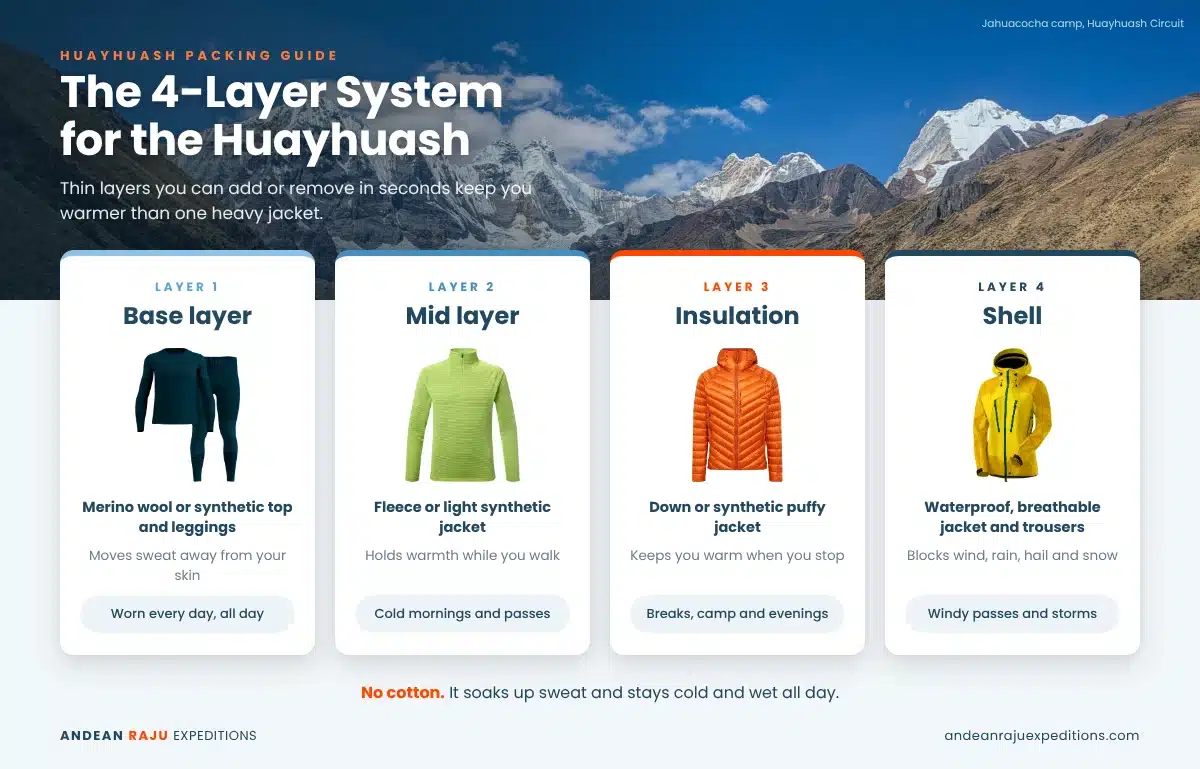
Our guides don’t wear one heavy jacket. They wear thin layers they can add or remove in seconds, and that’s the system to copy:
| Layer | What it is | Why it matters | Guide’s advice |
|---|---|---|---|
| >
| Merino wool or synthetic top and leggings | Moves sweat away from your skin | No cotton: it stays wet and cold all day |
| >
| Fleece or light synthetic jacket | Holds warmth while you walk | The layer you’ll wear most on the passes |
| >
| Down or synthetic puffy jacket | Keeps you warm at rest and at camp | Pack it at the top of your day pack, not in the duffel |
| >
| Waterproof, breathable jacket and trousers | Blocks wind, rain, hail and snow | A real waterproof, not a wind jacket |
Start each morning slightly cold. Within 15 minutes of walking uphill you’ll warm up, and you’ll avoid stopping to take layers off.

The Complete Huayhuash Packing List
Each item below shows what to look for and how many to pack. Items marked Rent in Huaraz are available from us, so you don’t need to buy them for a single trip.
Headwear
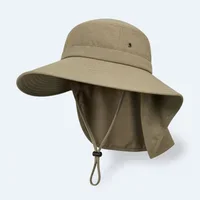
Sun hat or desert cap · 1
A cap with a wide brim, or a desert cap with a neck flap, protects your face, ears and neck from the intense sun above 4,000 m.
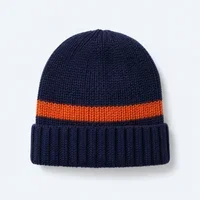
Warm beanie · 1
A wool or synthetic hat that covers your ears. You’ll wear it every morning, every evening and to sleep.

Buff or neck gaiter · 2
Our guides never leave without two: one for sun and dust on the trail, one for cold nights. It works as a scarf, a face cover or a headband.
Upper Body
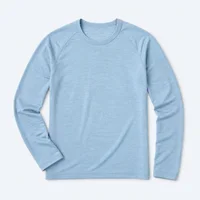
Thermal base layer top · 2
A long-sleeve merino wool or synthetic top that sits close to your skin and moves sweat away. Lightweight is best, since it goes under everything else.
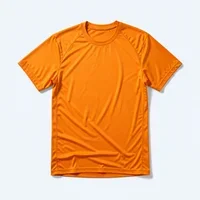
Quick-dry T-shirts · 2–3
Synthetic or merino, never cotton. They dry overnight and are comfortable on sunny afternoons in the valleys.
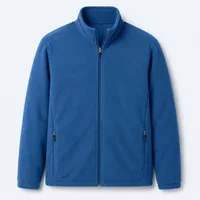
Fleece or Polartec mid layer · 1
A light, close-fitting fleece to wear over your base layer on cold mornings and on the passes. A hood is a bonus.
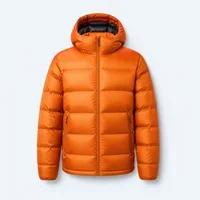
Down jacket · 1
A hooded down jacket with 700+ fill power, your warmest layer for breaks, evenings and early starts at camp.
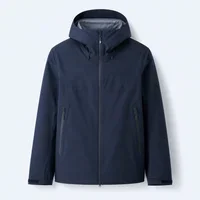
Waterproof jacket (Gore-Tex or similar) · 1
A waterproof, breathable and windproof hardshell. Wind on the passes can be strong, and hail or snow can fall on any day of the season.
Lower Body

Thermal leggings · 1–2
Merino or synthetic leggings to wear under your trousers on cold mornings, at camp and inside your sleeping bag.
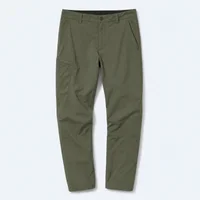
Trekking trousers · 2
Light, stretchy and quick-drying trousers that let you move freely on rocky ground and steep passes.
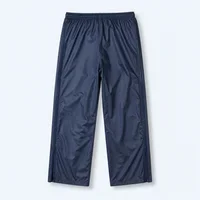
Waterproof trousers · 1
Breathable rain trousers that block wind, rain and snow. They stay in your day pack until the weather turns.
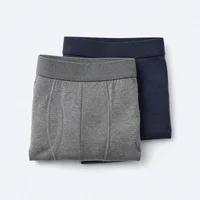
Quick-dry underwear · 5–6
Merino wool or synthetic underwear that wicks moisture and dries quickly. Avoid cotton.
Hands
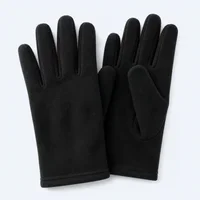
Liner gloves · 1 pair
Thin fleece or merino gloves for walking on cold mornings. Touchscreen fingertips are handy for photos.
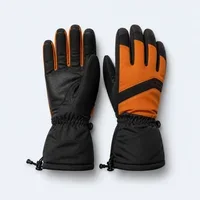
Insulated softshell gloves · 1 pair
Warmer gloves for the passes and evenings at camp. A leather or reinforced palm lasts longer with trekking poles.
Footwear
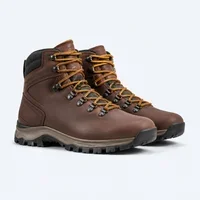
Waterproof hiking boots · 1 pair
Mid or high boots with ankle support and a firm sole, broken in on several long walks before you arrive in Peru.
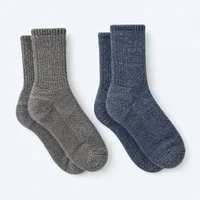
Merino hiking socks · 4–5 pairs
Warm, cushioned and synthetic or merino, never cotton. Keep one extra pair only for sleeping.
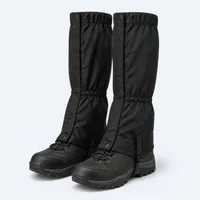
Gaiters (optional) · 1 pair
Keep scree, mud and early-season snow out of your boots. Short gaiters are enough for the Huayhuash circuit.
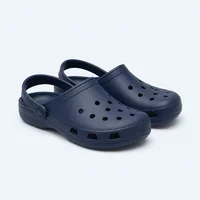
Camp shoes, Crocs or sandals · 1 pair
Light shoes with good grip to rest your feet at camp and for night trips to the toilet.
Sleeping
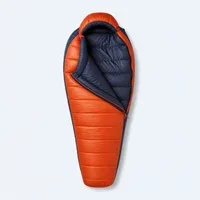
Sleeping bag · 1
A down bag with a comfort rating of –10 °C (14 °F) or lower. If you tend to sleep cold, choose one rated –15 to –20 °C.
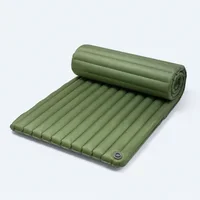
Sleeping mat · 1
An insulated inflatable mat or a closed-cell foam pad (3/4 or full length) keeps the frozen ground from stealing your heat.
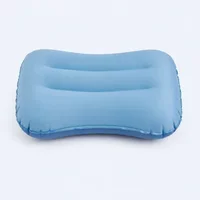
Inflatable pillow (optional) · 1
Saves space and helps you sleep better than a stuffed fleece.
Bags
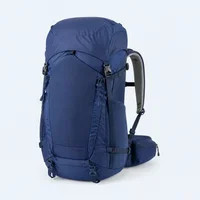
Day pack · 35–40 L
A light, simple pack with a hip belt and a rain cover. It carries your layers, water and snacks every day.
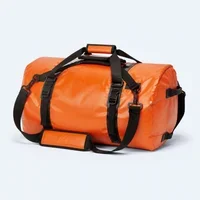
Duffel bag · 90–120 L
A strong, waterproof duffel for everything the donkeys carry. A 60–70 L backpack also works.

Dry bags · 3–4
Waterproof stuff sacks keep your sleeping bag, clothes and documents dry, and help you organize your duffel.
Equipment
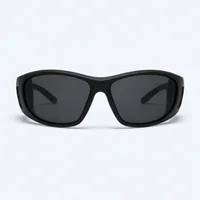
Sunglasses, category 3 · 1 + 1 spare
Wraparound glasses that cover your eyes and the sides. A spare pair is worth it: losing your only glasses at 4,500 m is a real problem.
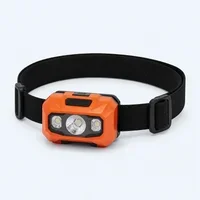
Headlamp · 1
A modern LED headlamp of at least 200 lumens, with spare batteries or a rechargeable model.
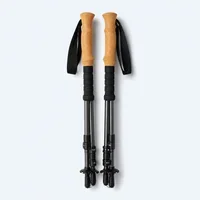
Trekking poles · 1 pair
They save your knees on every descent and give you balance on scree and river crossings.

Water bottles · 2 × 1 L
Wide-mouth, BPA-free bottles. Ask our cook to fill one with boiled water at night: it doubles as a hot water bottle in your sleeping bag.

Power bank · 1
20,000 mAh or more. There’s no electricity at the campsites, and Huayllapa on day seven is your only chance to recharge.
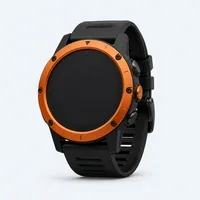
Altimeter watch (optional) · 1
Shows altitude, barometric pressure and a compass, and can warn you of a sudden pressure drop before bad weather.
Sun Protection and Essentials
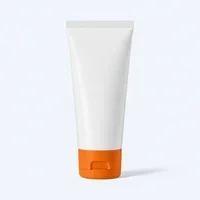
Sunscreen SPF 50+ · 1–2 tubes
A sweat-resistant sunscreen with high protection. Reapply every two hours, including on your ears and the back of your neck.
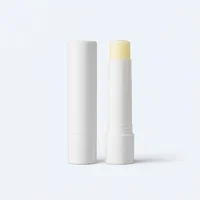
Lip balm with SPF · 1–2
SPF 30 to 50. The dry air and sun crack lips in a couple of days.
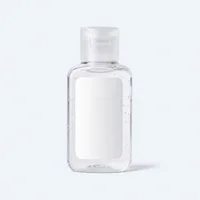
Hand sanitizer · 1 small bottle
Use it before every meal and after every toilet stop; it’s the best way to avoid stomach problems.

Toiletry kit and quick-dry towel · 1
Toothbrush, toothpaste, biodegradable soap, wet wipes, moisturizer and a small quick-dry towel.
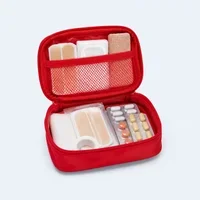
Personal first-aid kit · 1
Blister plasters, ibuprofen or paracetamol, rehydration salts, stomach medication and your personal prescriptions. Ask your doctor about altitude medication before you travel.
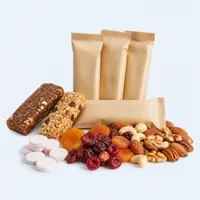
Trail snacks and electrolytes · For the whole trek
Our recommendation: electrolyte tablets for 5–6 days, about 12 energy bars, 10–20 granola or chocolate bars, and 4–5 energy gels for the hardest pass days.
Optional Extras
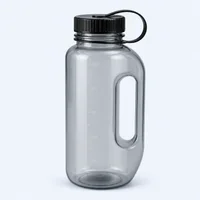
Pee bottle · 1–1.5 L
A wide-mouth, clearly marked bottle for cold nights, so you don’t have to leave your tent at 2 am.

Pee funnel (for women) · 1
Makes cold nights and exposed passes much easier. Practice at home before the trek.
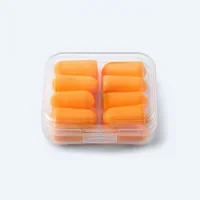
Earplugs · Several pairs
Windy nights and flapping tents can keep you awake. Foam earplugs fix that.

Gear repair tape · 1 roll
For a torn jacket, a ripped tent or a broken pole, a few strips save the day.
Duffel or Day Pack? Where Each Item Goes
The golden rule: anything you might need before camp goes in the day pack, because the donkeys usually reach camp hours after they pass you.
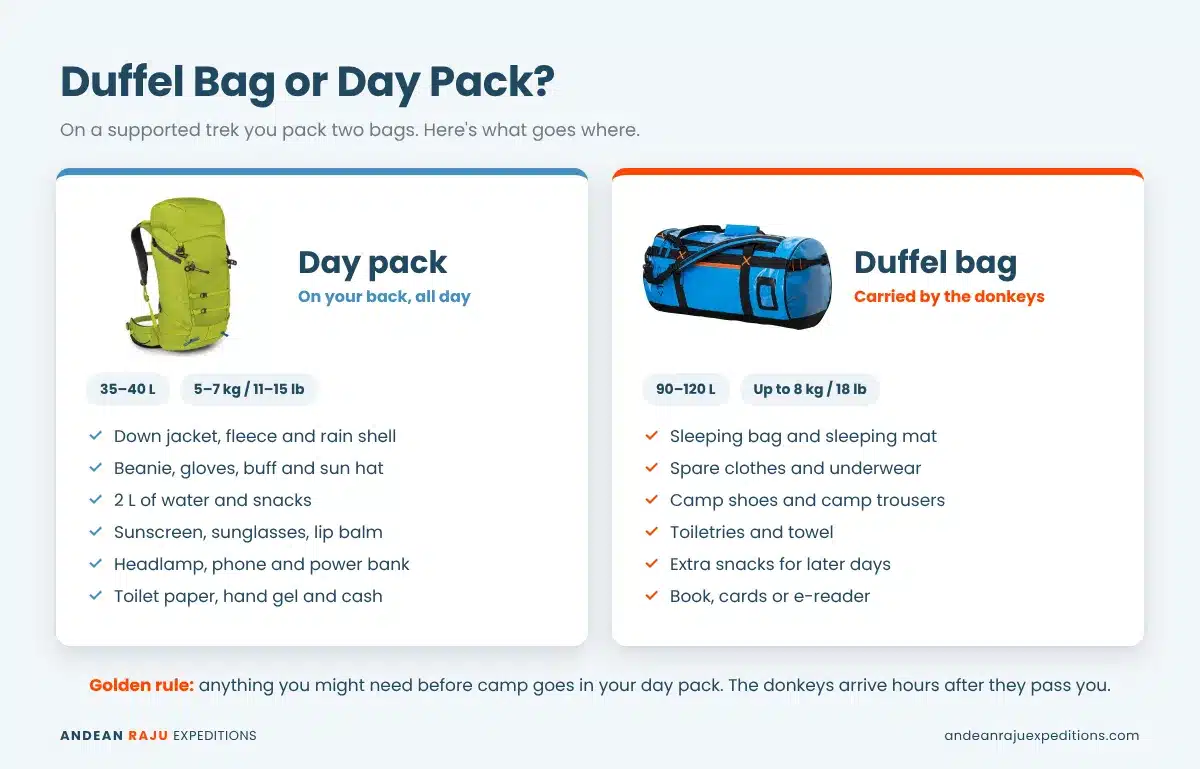
| In your day pack | In your duffel |
|---|---|
| Down jacket, fleece and waterproof shell | Sleeping bag and sleeping mat |
| Hat, gloves, buff and sunglasses | Spare clothes and underwear |
| 2–3 L of water and snacks | Camp shoes and camp trousers |
| Sunscreen, lip balm and personal medication | Toiletries and towel |
| Headlamp, phone and power bank | Extra snacks for later days |
| Toilet paper, hand sanitizer and cash | Book, cards or e-reader |
Pack your duffel inside a large dry bag or a heavy-duty rubbish bag. Donkeys cross rivers and storms do happen, and a wet sleeping bag at 4,300 m is a miserable night.
Your Sleeping Bag: The One Item Not to Get Wrong
Sleeping bags show two temperatures, and the difference matters:
- Comfort rating: the temperature at which most people sleep comfortably. This is the number to look at.
- Limit (or extreme) rating: the temperature at which you’ll survive a cold night, not enjoy it.
For the Huayhuash, choose a bag with a comfort rating of –10 °C (14 °F) or lower. A bag sold as “0 °C” is usually a limit rating, and it won’t be enough at Huayhuash camp or Gashpapampa in June or July.
How to sleep warmer:
- Eat dinner and drink something hot before bed; your body needs fuel to make heat.
- Go to the toilet before getting in, so you don’t have to leave the bag at 2 am.
- Change into dry socks and dry thermals at night, and keep the clothes you walked in out of the bag.
- Sleep with a beanie on.
- Keep tomorrow’s base layer and your batteries inside the bag, so they’re warm in the morning.

Bring or Rent in Huaraz?
Huaraz is the trekking capital of Peru, and renting is a good option if you’re traveling light or only need an item for this trip. Here’s our advice:
| Item | Bring from home | Rent in Huaraz | Our advice |
|---|---|---|---|
| Hiking boots | ✓ | Possible | Bring your own. Rented boots that don’t fit cause blisters |
| Sleeping bag | ✓ | ✓ | Rent if yours isn’t rated to –10 °C comfort |
| Sleeping mat | ✓ | Easy to rent; we rent foam mats | |
| Down jacket | ✓ | ✓ | Either works; check the fit and the zip |
| Trekking poles | ✓ | ✓ | Easy to rent |
| Waterproof jacket and trousers | ✓ | Possible | Bring your own if you have them |
| Base layers and socks | ✓ | Always bring your own | |
| Gaiters | ✓ | Rent if you want them |
We rent sleeping bags, foam sleeping mats, mountain clothing and equipment to our clients. Contact us for current rental prices. Wherever you rent, pick up your gear at least a day before the trek, open the sleeping bag fully and test every zip, so there’s time to swap anything that doesn’t fit.
What Not to Bring
- Cotton clothes and jeans. They absorb sweat and never dry at altitude.
- A clean outfit for every day. Two hiking trousers and three tops are enough for ten days; everyone re-wears clothes on the trail.
- Brand-new boots. Break them in at home over several long walks first.
- Valuables you don’t need. Leave jewelry, laptops and extra cards locked in your hotel or with us in Huaraz.
- Single-use plastic. Bring refillable bottles; we provide boiled water every day.
- Heavy hardback books. An e-reader or a pack of cards weighs far less.
Guide’s tip: Before you close your duffel, weigh it. If it’s over 10 kg, take out the “just in case” items: the third fleece, the extra pair of trousers, the full-size shampoo. You’ll never miss them, and the donkeys will thank you.
Packing Mistakes We See Every Season
- The down jacket is in the duffel. The temperature drops on the pass, and the warmest layer is hours away on a donkey.
- A “summer” sleeping bag. It’s the most common reason for a sleepless first night at Janca.
- Not enough sunscreen. At 4,500 m the UV is intense even when it’s cold; reapply every two hours and don’t forget your ears and the back of your neck.
- Only one pair of gloves. Thin gloves get wet; bring a warm pair for the mornings and the passes.
- No cash in small notes. Community collectors rarely have change for a S/ 100 note.
- Phone batteries dying on day three. Keep it in airplane mode and in your sleeping bag at night.
Packing for Women
Pack enough menstrual products for the whole trek, or use a menstrual cup, since there are no shops between villages. Keep supplies in your day pack with a sealable bag for used items, and carry everything out with you. A pee funnel can make cold nights and exposed passes easier. For more advice, see our tips for solo female trekkers.
Huayhuash Packing List FAQ
How heavy can my duffel bag be?
On our treks the donkeys carry up to 10 kg (22 lb) per person, including your sleeping bag and mat. Your day pack (35–40 L) usually weighs 5–7 kg (11–15 lb) with water.
What temperature sleeping bag do I need for the Huayhuash?
Choose a bag with a comfort rating of –10 °C (14 °F) or lower. Nights at the highest campsites regularly fall below –5 °C in the dry season, and can reach –10 °C in June and July.
Do I need crampons or an ice axe?
No. The standard Huayhuash circuit is a trek, not a climb, and you won’t need technical equipment in the dry season. You’ll only need crampons and an ice axe if you add a climb, such as Diablo Mudo or a peak in the Cordillera Blanca.
Hiking boots or trail runners?
We recommend waterproof boots with ankle support. The passes have loose scree, the meadows are boggy, and you can find snow or hail on any day of the season. Trail runners work for some experienced hikers, but your feet will be wet and cold more often.
Do I need a water filter?
Not on our treks, because we boil all drinking water every day. If you trek independently, bring a filter or purification tablets: streams pass through grazing land for llamas, sheep and donkeys.
Can I rent trekking gear in Huaraz?
Yes. You can rent sleeping bags, sleeping mats, down jackets, trekking poles and more in Huaraz, and we rent sleeping bags, foam mats and mountain clothing to our clients. Pick up your gear a day early to check it.
What should I wear on the day I cross a 5,000 m pass?
Start with a base layer and a fleece, and keep your down jacket, waterproof shell, warm gloves and beanie at the top of your day pack. It’s often windy and cold at the top, and you’ll want to stop for photos.
Can I leave extra luggage in Huaraz?
Yes. Most Huaraz hotels keep your bags at no cost until you’re back, or you can store them at our office.
Should I bring snacks from home?
Bring a few favorites you know you like, especially energy bars. You can buy nuts, chocolate and dried fruit in Huaraz before the trek. We serve three meals a day plus tea time, so snacks are only for the passes.
How much cash should I bring?
Enough for the community fees (about S/ 280 per person on our route), drinks or a room in Huayllapa, and tips for your crew. Withdraw it in Huaraz over a few days, since ATMs in Peru usually limit withdrawals to around US$ 200 a day.
Ready for the Huayhuash?
Now that your bag is sorted, plan the rest of your trip with our complete Huayhuash trek guide: the route day by day, difficulty, acclimatization and costs.
See dates and prices for the 10-day Huayhuash Trek →
Need to rent a sleeping bag or a down jacket? Send us a message and we’ll have your gear ready when you arrive in Huaraz.